What makes a solar quote useful?
A clear quotation explains the job, the assumptions and what still needs checking. Here is what to bring to the conversation.
A quotation can be neat, detailed and still leave the important questions unanswered. A list of product names and a total tells you what is being offered. A useful quote also explains how that equipment relates to the job you need done.
You do not need to become a solar designer to compare options. You do need a clear brief, understandable assumptions and a shared view of what will happen after the equipment arrives.
Describe the result you want
Start with an ordinary description of your day. Perhaps the home office must remain usable during an outage. Perhaps a business needs refrigeration overnight. Perhaps the priority is using more of an existing array's daytime production. These objectives can lead to different component choices.
Include what must stay on, how long it matters, what can wait and what equipment is already installed. Victron's ESS design guidance treats battery autonomy and inverter load capacity as distinct sizing questions. A quote should make that distinction understandable in your own application.
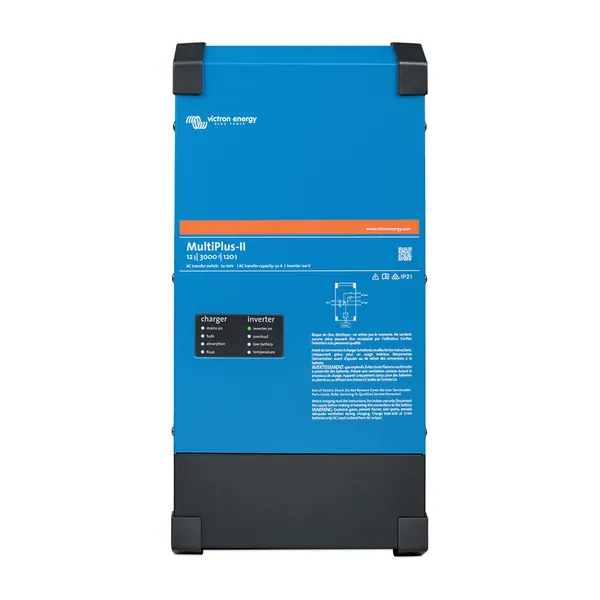
For an upgrade, clear photographs of accessible equipment labels are often a better starting point than a description such as “the large blue inverter”. Exact model numbers help avoid comparing products that look similar but do different jobs.
Separate an indicative option from a confirmed fit
An early estimate can be useful for deciding whether to continue. It should be clear about what remains to verify. Roof space, shading, access and equipment position can all affect the final scope. A panel count drawn from an assumption needs checking against the building.
Ask which details came from a site survey, which came from your information and which are provisional. There is nothing wrong with a sensible assumption at the start. Problems arise when everyone forgets it is an assumption.
Equipment also needs a suitable place to live. Discuss the proposed position early, including access for servicing and the effect on the usable space. Your installer should confirm the physical and electrical requirements; an attractive online package cannot do that work on its own.
Compare the complete scope
Put two quotations beside each other and check the boundaries before comparing the totals. A lower figure may reflect a different scope rather than a better price for the same job.
- Equipment: exact models, quantities and the accessories included.
- Work: who installs, configures and commissions the system, if installation is part of the offer.
- Building details: mounting, routes and any provisional work that still needs a survey.
- Handover: the documentation, user explanation and monitoring access to be provided.
- Fulfilment: confirmed availability, collection or delivery arrangements, and any lead times.
- After-sales help: who receives a support request and how an assessment is arranged.
Ask for unclear exclusions to be explained in everyday language. A supply-only component quote and a complete installation proposal can both be useful, provided you know which one you have.
Make future changes a specific conversation
“Expandable” needs a little more detail. What would you like to add later, and which parts of today's design make that possible? A larger battery, more panels and higher output are different changes. Future compatibility depends on the selected equipment and the design.
It can be sensible to phase a project. Ask what the first phase achieves on its own, what is deliberately left out and which later changes would need another assessment. Avoid paying for vague future possibilities without understanding their value.
Use the Store to start a better enquiry
Browse the products, select the items you are considering and submit a guest quote request through the Thanda Store. Add your delivery area, existing model details and a short explanation of the result you want. If you are uncertain about a part, say so.
For installers, a component list and the questions still outstanding make a useful trade enquiry. For system owners, a load list and a few clear photographs are a good beginning. The aim is a quote you can understand and act on, with the next checks clearly identified.
Further reading from Victron
Technical guidance and manufacturer documents for the equipment and principles discussed here. Use the documentation for your exact model and system.