How much backup power do you actually need?
Start with what must stay on and for how long. Inverter size, stored energy and charging each answer a different question.
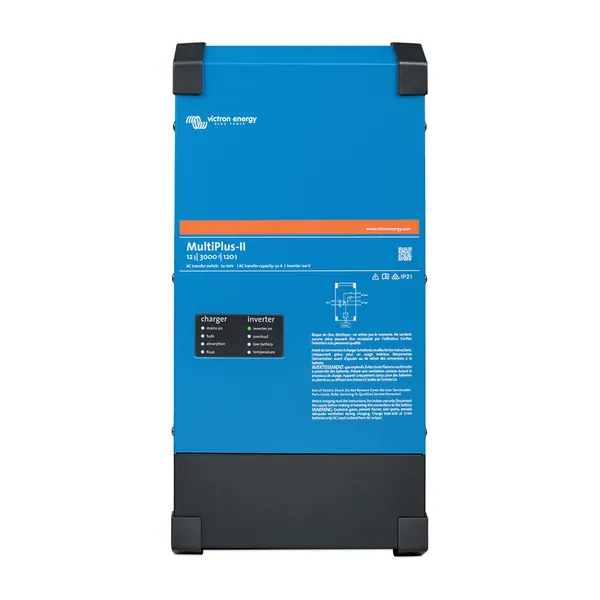
“Which inverter do I need?” is a reasonable question, but it is rarely the first one to answer. Before choosing a box, write down what the backup system needs to keep doing. A home office, a workshop and a property running pumps may need very different solutions.
The most useful brief begins with three things: the equipment that matters, how it operates, and how long it needs to run without its usual supply.
Make a load list you can explain
Walk through an ordinary day and separate essentials from tasks that can wait. For each item, note its model or rating, how many there are, roughly how long it runs, and whether it must operate at the same time as other equipment.
- Which lights, communications equipment and appliances are essential?
- Are pumps, refrigeration, air conditioning or other motor loads involved?
- What can be scheduled for daylight or postponed during an outage?
- Is the target a short interruption, a full night or a much longer period?
Photographs of accessible labels and equipment documentation help. A rating is a starting point; real operating patterns matter too. Where the decision justifies it, ask the designer about logging consumption rather than building the entire proposal on guesses.
Power and energy answer different questions
Power describes how much is needed at a moment. Energy describes how much is used over time. The inverter must suit the loads and their starting requirements. The battery plan must provide suitable usable energy for the required period. A higher inverter rating alone does not buy a longer night.
Victron's ESS design guidance separates the required backup autonomy from expected inverter loads. Its residential example similarly considers simultaneous demand and energy over a backup period. The principle is useful; another household's product package is not a substitute for your own load list.
A simple calculation, with its assumptions visible
For illustration only, suppose a group of essential loads averages 400 watts for five hours. The loads would use 0.4 kilowatts × 5 hours = 2 kilowatt-hours. That is energy delivered to the loads, not a recommendation to buy a battery labelled 2 kWh.
If the example assumes 90% conversion efficiency, the corresponding battery energy is about 2 ÷ 0.9 = 2.22 kWh, before allowing for inverter standby consumption and a chosen reserve. That assumed efficiency is for the arithmetic, not a specification or a runtime promise for a product.
A real design must account for usable capacity, battery discharge limits, ageing, operating conditions and changing demand. It must also handle peak power. An average that looks modest can conceal a motor starting or several appliances operating together.
Ask how the battery will recover
Backup planning continues after the first outage. Where will the next charge come from, and how much time is available before the next period without power? Tell the designer whether the site has grid power, solar, a generator or a combination.
If a generator is involved, provide its details early. Discuss whether the intended arrangement includes battery charging, supplying loads, or another agreed operating mode. Compatibility and fixed wiring need a qualified designer and installer; they cannot be settled by adding two headline ratings together.
For solar, discuss the periods when energy is needed and what happens during poor weather. A proposal should make its operating assumptions clear rather than treating a sunny day's production as a guaranteed daily allowance.
Plan the next stage without making the first one vague
You may want backup now and solar later, or a modest first phase with provision for future growth. Say so at the start. Ask which future changes the proposed components support, what would need replacing, and what physical space is required.
Send Thanda your load list, required runtime, existing equipment and charging sources. Add your delivery area and the items you are considering from the Store. That gives the team something useful to discuss before a quote, and helps you understand what the eventual system is intended to deliver.
Further reading from Victron
Technical guidance and manufacturer documents for the equipment and principles discussed here. Use the documentation for your exact model and system.