Before you blame the battery
Shorter backup time is a symptom. Review charging, demand and recent changes before assuming the battery needs replacing.
The power runs out earlier than it used to. It is tempting to go straight to a battery replacement: the battery stores the energy, so surely it must be the problem. Sometimes it is. But a shorter evening can also begin with a battery that received less energy during the day, or with more being used after sunset.
Before spending money, establish what changed. That is the useful starting point for a support conversation and an assessment of the whole system.
Start with the last period that worked normally
Describe the difference in plain language. “It used to last until morning, and now stops around midnight” is more useful than “the battery is bad”. Add when the change began and whether it happened suddenly or gradually.
If you have monitoring history, compare a recent day with a period you remember as normal. Keep the date, charging pattern and consumption in view. Similar-looking weather does not prove the system received the same energy, but a comparison gives the technician a place to start.
A sudden change following work, a new appliance or an alarm deserves to be recorded. It does not establish the cause on its own. You are building a timeline, not expected to diagnose the installation.
Look at what went in, then what came out
Victron's solar-charger troubleshooting separates undercharging from battery faults. Its listed possibilities include insufficient solar, high demand and problems elsewhere in the charging path. The relevant checks depend on the exact equipment and should be carried out by a competent technician.
For the owner, the useful questions are safe observations: did the battery appear to finish charging? Has the usual daytime pattern changed? Have operating hours increased? Did a previously occasional appliance become a daily load?
There may be more than one contributing factor. A battery approaching replacement can coexist with reduced charging or a changed load. Finding one plausible explanation should not bring the investigation to a premature stop.
Give a percentage its proper context
Include the displayed battery percentage in your report, together with the time and the symptoms. Avoid using that number as a complete health assessment. “The screen says full” and “the system delivers the expected overnight energy” are different observations.
Do not alter battery capacity settings, charging values or protective limits to see whether the display improves. Changing several things at once can remove useful evidence and create another problem. Tell the support team about any changes already made, even if you are unsure whether they matter.
Prepare a short, useful support pack
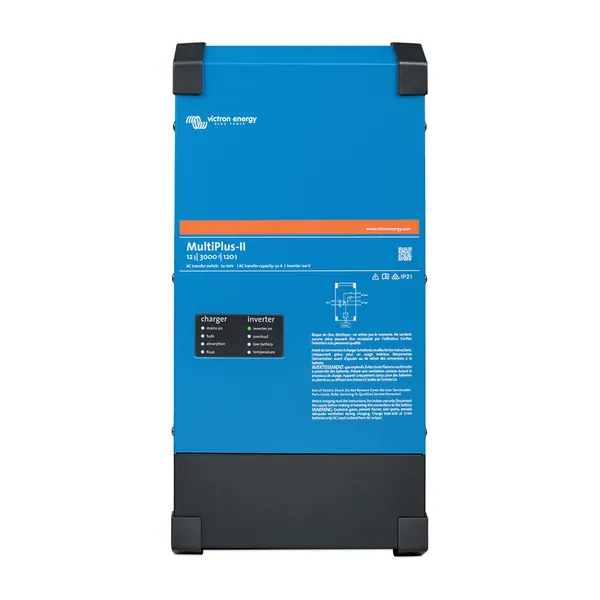
- The inverter, battery and solar-controller make and exact model.
- A brief description of the symptom and when it began.
- The last known normal operation and any recent work or new loads.
- Readable alarm messages and screenshots with timestamps.
- Photographs of the installation and accessible labels, taken without opening equipment.
- The original supplier and purchase documents, if available.
Arrange access to monitoring deliberately through the appropriate permissions. Passwords do not belong in an enquiry or a publicly shared screenshot. If a site visit is needed, make sure the team knows who can provide access to the equipment.
Let the assessment determine the next purchase
An inspection may lead to a repair, a configuration review, work elsewhere in the installation or a battery assessment. Ask what has been established, what remains uncertain and what the next proposed step will cost before authorising it.
Victron's repair guidance asks for useful system-check information before a support request. Warranty eligibility and the need for a repair still have to be assessed under the applicable terms; a symptom alone cannot decide either.
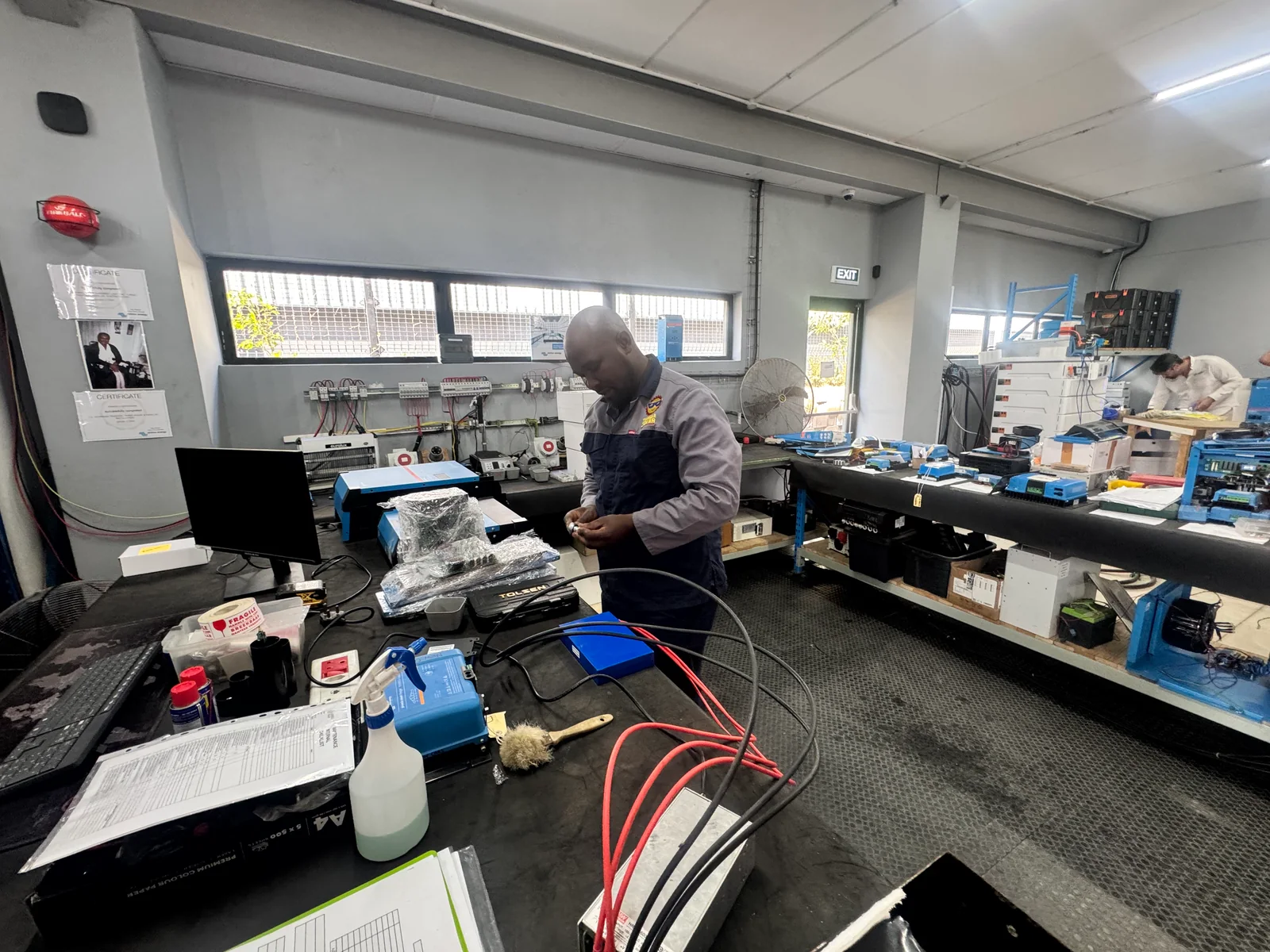
A clear report can save an unnecessary purchase and make a necessary one better informed. Contact Thanda before removing or shipping equipment so the intake route can be agreed. Leave protective devices, live testing and dismantling to the people qualified to work on the system.
Further reading from Victron
Technical guidance and manufacturer documents for the equipment and principles discussed here. Use the documentation for your exact model and system.