Before you book a Victron repair, send the story of the fault
A model number, a clear symptom and a little system context make a more useful first enquiry than “the inverter is broken”.
When the power goes off unexpectedly, the natural question is how quickly it can be restored. The first useful step is to establish what stopped working, what the equipment reported and what was happening at the time.
Those observations help distinguish an equipment repair from an installation, supply or configuration problem. They also help the workshop decide what information is missing before equipment is removed or sent away. You do not need to diagnose the cause yourself.
Describe what happened
“The inverter is faulty” is a conclusion. “The backed-up sockets lost power at about 19:00, the display showed this message, and the system had worked normally that morning” gives support something to investigate.
Start with a short sequence in your own words:
- When did you first notice the problem, and when did the system last work normally?
- What stopped working: all power, selected circuits, charging, solar production or the monitoring connection?
- What lights, alarms or exact error messages were visible?
- What changed beforehand, such as new equipment, an outage, unusual weather or work on the installation?
- Is the behaviour continuous, or does it happen under particular conditions?
Include the time and date with screenshots. If you have already spoken to another technician, explain what was checked and what remains unresolved. There is no need to repeat tests merely to make the enquiry look complete.
Identify the equipment and the system around it
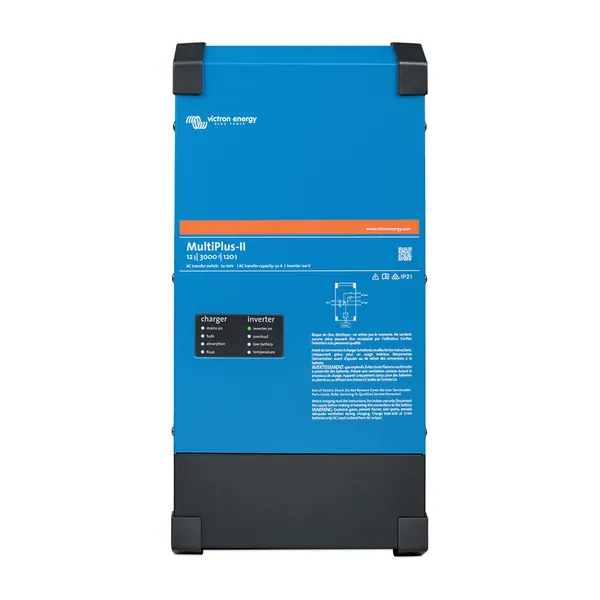
Send the exact model and serial number, preferably with a readable label photograph taken without opening equipment. List the battery model and the other main components. A broad description such as “a 5 kVA Victron” can leave important differences unresolved.
An overview photograph, taken from a safe position, can establish which equipment is present. Add an existing monitoring screenshot if you have one, and tell us whether it shows current information. Arrange any account access separately through the proper permissions; do not send passwords.
Keep your original purchase documents available and say where the product was bought. Victron's warranty and repair guidance asks for troubleshooting and system-check information and uses serial numbers to connect support requests with the original dealer. Work requiring electrical inspection should be performed by a competent technician.
Contact us before removing or shipping equipment
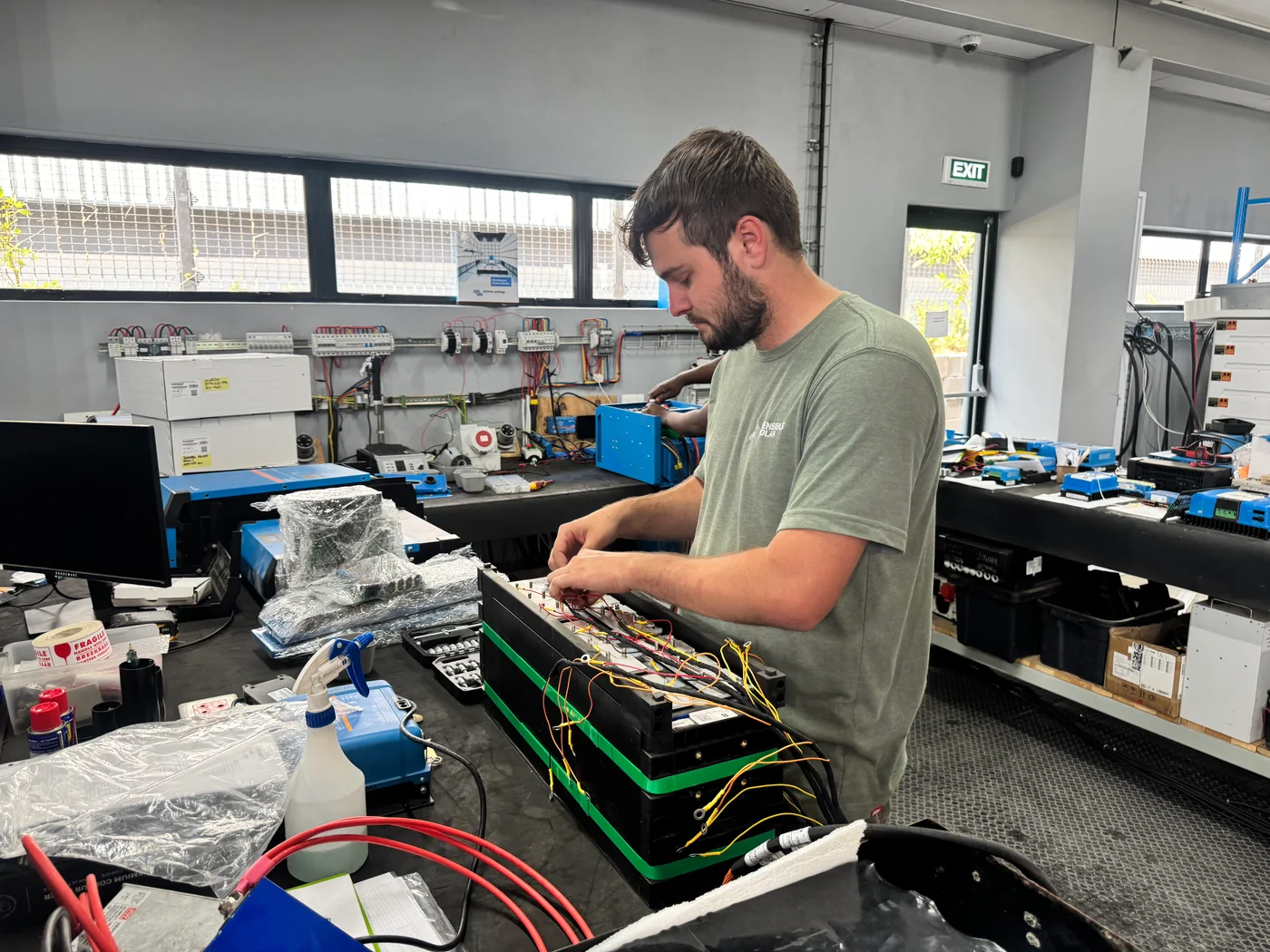
Start a repair enquiry with the information above. Tell the team where the equipment is located and whether it is still installed. Wait for the appropriate intake and transport instructions before sending it to the workshop.
For an off-grid site or a business that depends on the system, explain the operational impact early. The technician can consider that context when discussing the next step. Ask what arrangements you need to make while an assessment or repair is under way.
A workshop assessment and a site visit answer different questions. Equipment on a bench is separated from the installation in which the symptom occurred. A good fault description helps keep that original context attached to the job.
Be clear about the decision after assessment
Ask how findings will be communicated, which work needs your approval and what information is required for a warranty assessment. Confirm any inspection charges, transport arrangements and expected timing with the team handling your case.
A warranty enquiry does not establish in advance that every cost will be covered or that replacement is the right outcome. Diagnosis, applicable terms and parts availability influence the route forward. The useful commitment at intake is a clear next step and a shared understanding of what is being assessed.
Do not remove covers, bypass protection, change battery limits or keep re-energising equipment that repeatedly trips to gather more evidence. If there is smoke, a burning smell or visible damage, keep clear and get appropriate urgent assistance. A concise record of what you safely observed is enough to start the conversation.
Further reading from Victron
Technical guidance and manufacturer documents for the equipment and principles discussed here. Use the documentation for your exact model and system.